Too much or too little water has devastating effects on cities. This issue looks at solutions to redistribute risks, incentives, and… water to increase compatibility between people and water.͏‌ ͏‌ ͏‌ ͏‌ ͏‌ ͏‌ ͏‌ ͏‌ ͏‌ ͏‌ ͏‌ ͏‌ ͏‌ ͏‌ ͏‌ ͏‌ ͏‌ ͏‌ ͏‌ ͏‌ ͏‌ ͏‌ ͏‌ ͏‌ ͏‌ ͏‌ ͏‌ ͏‌ ͏‌ ͏‌ ͏‌ ͏‌ ͏‌ ͏‌ ͏‌ ͏‌ ͏‌ ͏‌ ͏‌ ͏‌ ͏‌ ͏‌ ͏‌ ͏‌ ͏‌ ͏‌ ͏‌ ͏‌ ͏‌ ͏‌ ͏‌ ͏‌ ͏‌ ͏‌ ͏‌ ͏‌ ͏‌ ͏‌ ͏‌ ͏‌ ͏‌ ͏‌ ͏‌ ͏‌ ͏‌ ͏‌ ͏‌ ͏‌ ͏‌ ͏‌ ͏‌ ͏‌ ͏‌ ͏‌ ͏‌ ͏‌ ͏‌ ͏‌ ͏‌ ͏‌ ͏‌ ͏‌ ͏‌ ͏‌ ͏‌ ͏‌ ͏‌ ͏‌ ͏‌ ͏‌ ͏‌ ͏‌ ͏‌ ͏‌ ͏‌ ͏‌ ͏‌ ͏‌ ͏‌ ͏‌ ͏‌ ͏‌ ͏‌ ͏‌ ͏‌ ͏‌ ͏‌ ͏‌ ͏‌ ͏‌ ͏‌ ͏‌ ͏‌ ͏‌ ͏‌ ͏‌ ͏‌ ͏‌ ͏‌ ͏‌ ͏‌ ͏‌ ͏‌ ͏‌ ͏‌ ͏‌ ͏‌ ͏‌ ͏‌ ͏‌ ͏‌ ͏‌ ͏‌ ͏‌ ͏‌ ͏‌ ͏‌ ͏‌ ͏‌ ͏‌ ͏‌ ͏‌ ͏‌ ͏‌ ͏‌ ͏‌ ͏‌ ͏‌ ͏‌ ͏‌ ͏‌ ͏‌ ͏‌ ͏‌ ͏‌ ͏‌ ͏‌ ͏‌ ͏‌ ͏‌ ͏‌ ͏‌ ͏‌ ͏‌ ͏‌ ͏‌ ͏‌ ͏‌ ͏‌ ͏‌ ͏‌ ͏‌ ͏‌ ͏‌ ͏‌ ͏‌ ͏‌ ͏‌ ͏‌ ͏‌ ͏‌ ͏‌ ͏‌ ͏‌ ͏‌ ͏‌ ͏‌ ͏‌ ͏‌ ͏‌ ͏‌ ͏‌ ͏‌ ͏‌ ͏‌ ͏‌ ͏‌ ͏‌ ͏‌ ͏‌ ͏‌ ͏‌ ͏‌ ͏‌ ͏‌ ͏‌ ͏‌ ͏‌ ͏‌ ͏‌ ͏‌ ͏‌ ͏‌ ͏‌ ͏‌ ͏‌ ͏‌ ͏‌ ͏‌ ͏‌ ͏‌ ͏‌ ͏‌ ͏‌ ͏‌ ͏‌ ͏‌ ͏‌ ͏‌ ͏‌ ͏‌ ͏‌ ͏‌ ͏‌ ͏‌ ͏‌ ͏‌ ͏‌ ͏‌ ͏‌ ͏‌ ͏‌ ͏‌ ͏‌ ͏‌ ͏‌ ͏‌ ͏‌ ͏‌ ͏‌ ͏‌ ͏‌ ͏‌ ͏‌ ͏‌ 
Kate Gasparro

Issue 24 | October 28, 2022


Issue highlights:

  • Water Balancing Act

  • Cities in the Wild

  • Trick or Treating from the Archives


Dear friends,

Access to water in Michigan is a trivial thing. Surrounded by the largest freshwater source in the world, water is cheap and available, even if it’s not always clean. But, we’ve seen this year how climate change has redistributed water in ways that have devastated cities. 

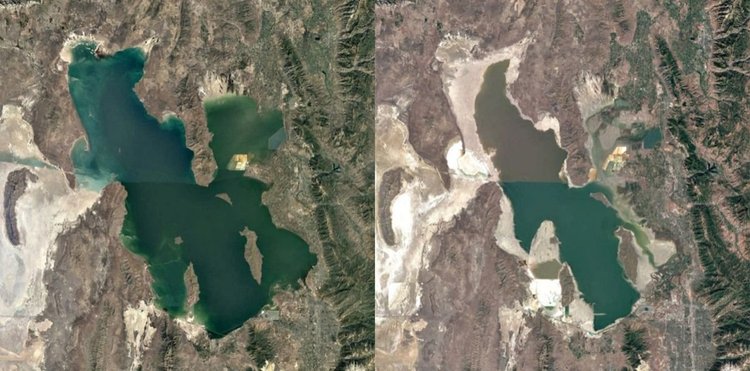
In Salt Lake City, water scarcity is threatening the ecological welfare of the region. Even though Utahns cut back on 9 billion gallons of water this summer, there is still fear that declining water levels in Salt Lake will affect regional air quality, releasing dust and heavy metals into the atmosphere. 

At the same time, Pakistan has seen a 190% heavier than normal rainfall over the last few months, washing away cities and affecting nearly 33 million people. The devastation to urban infrastructure and homes means Pakistan will need to invest nearly $10 billion to reverse damages. 

This issue is taking a look at solutions to water resource planning and how they will pave the way towards building better cities.

Hope this gets you thinking.
Kate

Urban Adaptation

Instead of ignoring the natural elements, cities are leaning into those elements to mitigate storm effects. These urban adaptations are providing more resiliency for urban centers.

  • The Alzette River will become a natural park to handle rainwater drainage for 210 acre master plan [Arch Daily]

  • After industrialization of Toronto’s riverfront, re-naturalization of the Don River will prevent flooding of the urban core [CityLab]

  • Lost Rivers documentary explores how cities have built over rivers and how a new movement seeks to daylight these rivers [Amazon]

Resiliency Policies

For centuries, cities have developed by the water. But, as waters rise and recede, it’s time to reconsider our relationship with water. These land policies provide a pathway to shift how we develop near water.

  • Colombia provides incentivizes to protect paramos, areas with highly variable rainfall that provide 7-30% of country’s water supply [Ecological Economies]

  • Florida insurance companies fold as flood insurance pay-outs hit record levels [NYTimes]

  • Managed retreat policies help communities move away from risky coastal areas [The Conversation]

  • San Mateo County’s special district on sea-level rise [OneShoreline]

Cloud Seeding

What if we could redistribute water through rain patterns? For decades, scientists have tested a god-like ability to shift weather patterns. Cloud seeding, still a myth to many, is sparsely used to redistribute rain. 

  • Cloud seeding uses an aircraft to shoot salt nanoparticles into targeted clouds to begin and accelerate the condensation process [Reuters]

  • Cloud seeding brought rain to the Tibet Plateau in September to increase flow to the Yangtze, 20 years after China used cloud seeding for the 2002 Olympics [CNN]

  • Cloud seeding has mostly been used during storm seasons to increase snowpack by up to 15% [Desert Research Institute]

Cities in the Wild

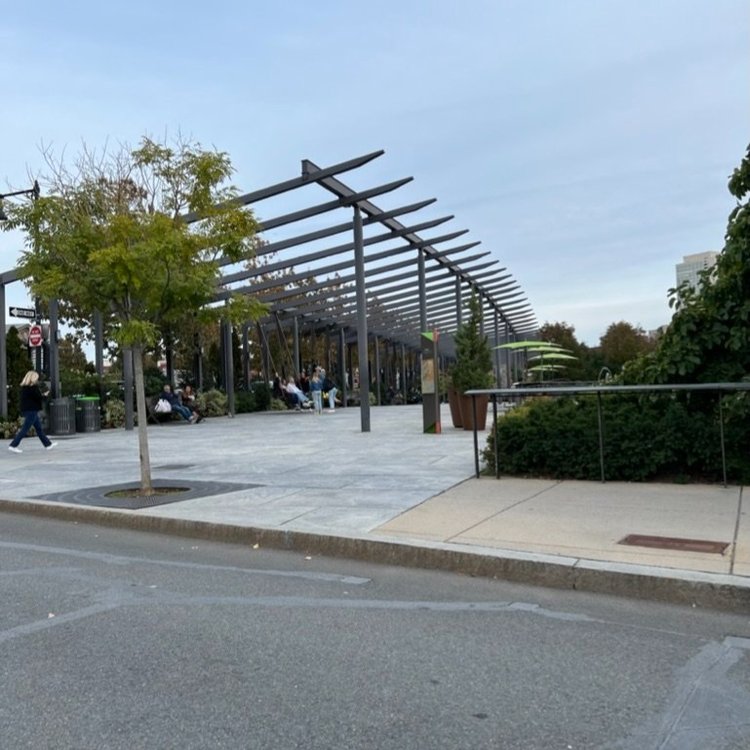
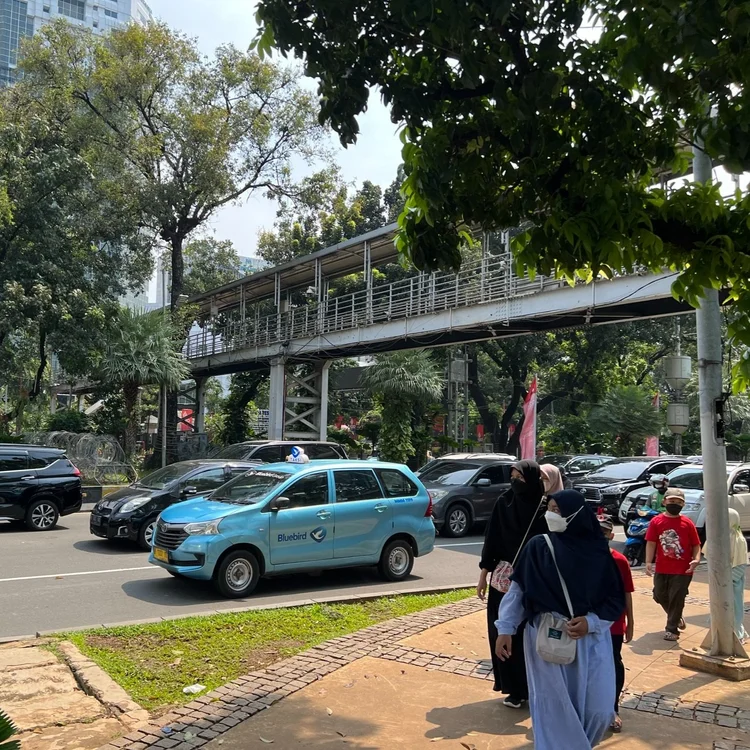
This summer was a series of post-Covid trips. Here are a few cool urban interventions we saw along the way. From top left, clockwise.

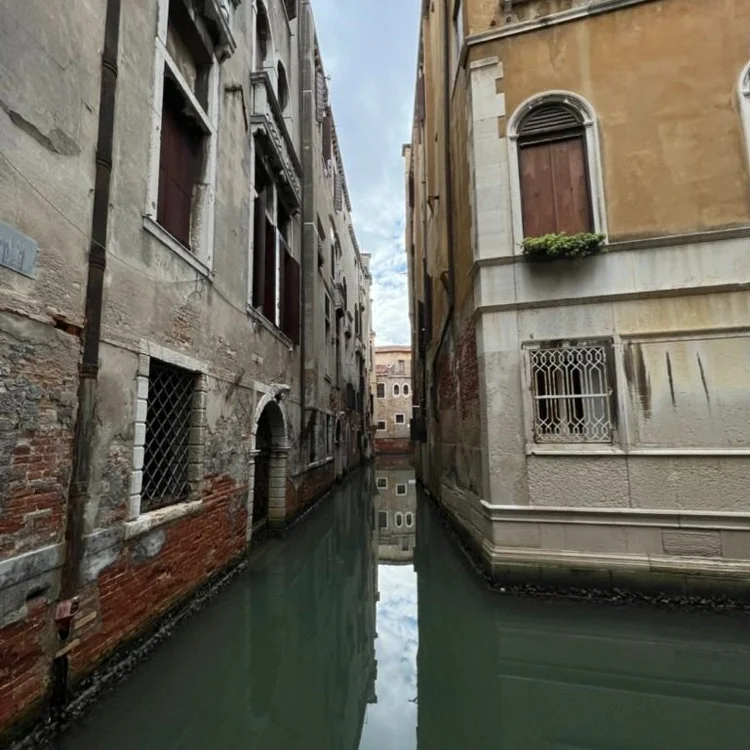
  1. Venice is built upon 10 million wood piles. Why doesn’t the wood decay? Wood rot only happens in the presence of water and oxygen!

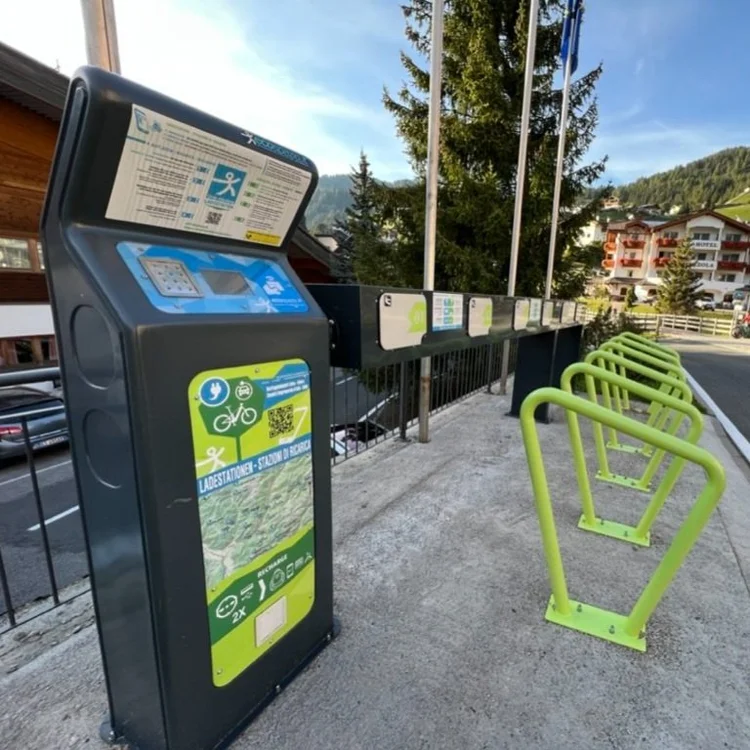
  2. Why hike the Alps when you could e-bike the Alps? Just walking down the road in Val Gardena, we ran into these charge-your-own e-bike racks. 

  3. When there’s no room for pedestrians, just put them overhead. This intersection in Jakarta removed any notion of ped/car accidents with total grade separation.

  4. Let’s introduce play in parks- not just for kids. These giant swings were perfect for cannoli eating in Boston. 


Design Your Trick-Or-Treating Route

Urbanists are pros at finding the best places to “halloween”. Do you think that streets with big houses are the best for trick-or-treating? Think again! For you map nerds and data junkies, here are just some of a few ways to pick the best city streets and neighborhoods to trick-or-treat! Look for streets with:

  • Lots of easy-to-find doors (check out the Gehl Door Average which measures the number of doors per 100 meters)

  • Large sidewalks

  • Small setbacks (the less driveway you have to scale the more houses you can reach!)

  • Porches and stoops

  • Well-connected streets (avoid cul-de-sacs and streets with dead ends)

If you need a shortcut for finding those best streets, check out Next Door’s Treat Map. Happy Halloween! (from October 2021 issue)


Share Your Work

I would love to hear from you and learn more about your work. Don’t hesitate to reach out for a conversation. Be sure to forward this email, subscribe your friends, and follow @KateGasparro to get all the updates!

 Contact Me 
linkedin twitter

Detroit, MI, United States

Powered by Squarespace

Unsubscribe