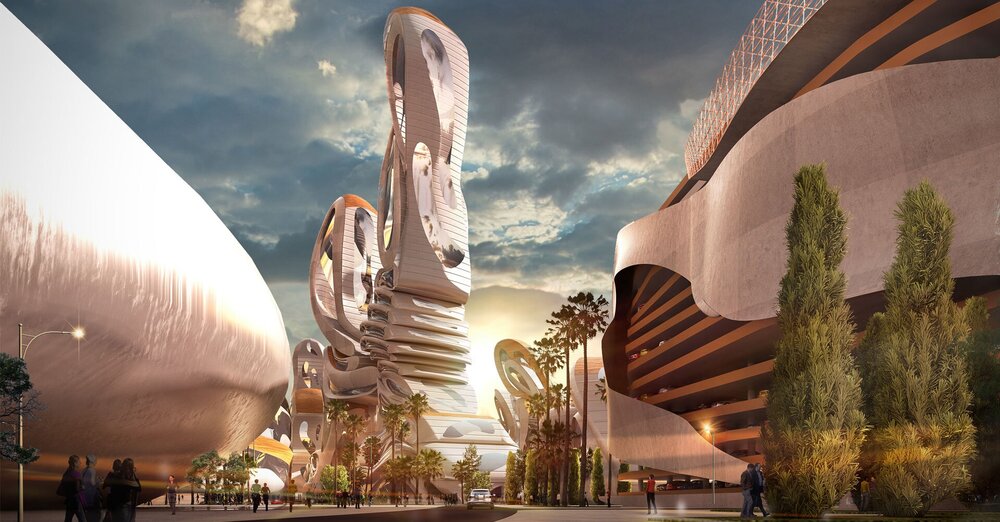
Dear friends,This time next month I’ll be writing to you from Michigan. After learning valuable lessons building California communities, I’ll be joining Detroit’s urban revitalization efforts. Over the years, Detroiters have ushered in multiple versions of the city. Once the wealthiest city in the US, Detroit claimed bankruptcy in 2013 and is evolving again as companies return to the downtown area. So, in preparation for my new role, I’ve been thinking about the ways people come together time and again to build better cities. And what a great time to think about city (re)birth! For starters, this year’s election showed us that despite deep political divisions, Americans are increasingly supportive of infrastructure investment in their own communities. In fact, all ballot measures I wrote about in last month’s issue were approved with overwhelming support. At the same time that voters are favoring investment in local infrastructure, some are also redefining what “home” means. COVID-19 has forced a subset of industries to go remote. Tech companies and others are shifting policies to allow their employees to work from anywhere. These trends have driven the rise of second cities. On top of this, developers are proposing future city developments that challenge conventional urban planning principles. These future city solutions could show us new ways to help cities struggling with the repercussions of COVID-19, aging populations, climate change, and many more issues. With growing buzz around future city developments, I decided to dive into how these new ideas could help us Build Better Cities. Hope this gets you thinking,
Kate
|