3 ideas that challenge how we think about the life and (inevitable?) death of cities.͏‌ ͏‌ ͏‌ ͏‌ ͏‌ ͏‌ ͏‌ ͏‌ ͏‌ ͏‌ ͏‌ ͏‌ ͏‌ ͏‌ ͏‌ ͏‌ ͏‌ ͏‌ ͏‌ ͏‌ ͏‌ ͏‌ ͏‌ ͏‌ ͏‌ ͏‌ ͏‌ ͏‌ ͏‌ ͏‌ ͏‌ ͏‌ ͏‌ ͏‌ ͏‌ ͏‌ ͏‌ ͏‌ ͏‌ ͏‌ ͏‌ ͏‌ ͏‌ ͏‌ ͏‌ ͏‌ ͏‌ ͏‌ ͏‌ ͏‌ ͏‌ ͏‌ ͏‌ ͏‌ ͏‌ ͏‌ ͏‌ ͏‌ ͏‌ ͏‌ ͏‌ ͏‌ ͏‌ ͏‌ ͏‌ ͏‌ ͏‌ ͏‌ ͏‌ ͏‌ ͏‌ ͏‌ ͏‌ ͏‌ ͏‌ ͏‌ ͏‌ ͏‌ ͏‌ ͏‌ ͏‌ ͏‌ ͏‌ ͏‌ ͏‌ ͏‌ ͏‌ ͏‌ ͏‌ ͏‌ ͏‌ ͏‌ ͏‌ ͏‌ ͏‌ ͏‌ ͏‌ ͏‌ ͏‌ ͏‌ ͏‌ ͏‌ ͏‌ ͏‌ ͏‌ ͏‌ ͏‌ ͏‌ ͏‌ ͏‌ ͏‌ ͏‌ ͏‌ ͏‌ ͏‌ ͏‌ ͏‌ ͏‌ ͏‌ ͏‌ ͏‌ ͏‌ ͏‌ ͏‌ ͏‌ ͏‌ ͏‌ ͏‌ ͏‌ ͏‌ ͏‌ ͏‌ ͏‌ ͏‌ ͏‌ ͏‌ ͏‌ ͏‌ ͏‌ ͏‌ ͏‌ ͏‌ ͏‌ ͏‌ ͏‌ ͏‌ ͏‌ ͏‌ ͏‌ ͏‌ ͏‌ ͏‌ ͏‌ ͏‌ ͏‌ ͏‌ ͏‌ ͏‌ ͏‌ ͏‌ ͏‌ ͏‌ ͏‌ ͏‌ ͏‌ ͏‌ ͏‌ ͏‌ ͏‌ ͏‌ ͏‌ ͏‌ ͏‌ ͏‌ ͏‌ ͏‌ ͏‌ ͏‌ ͏‌ ͏‌ ͏‌ ͏‌ ͏‌ ͏‌ ͏‌ ͏‌ ͏‌ ͏‌ ͏‌ ͏‌ ͏‌ ͏‌ ͏‌ ͏‌ ͏‌ ͏‌ ͏‌ ͏‌ ͏‌ ͏‌ ͏‌ ͏‌ ͏‌ ͏‌ ͏‌ ͏‌ ͏‌ ͏‌ ͏‌ ͏‌ ͏‌ ͏‌ ͏‌ ͏‌ ͏‌ ͏‌ ͏‌ ͏‌ ͏‌ ͏‌ ͏‌ ͏‌ ͏‌ ͏‌ ͏‌ ͏‌ ͏‌ ͏‌ ͏‌ ͏‌ ͏‌ ͏‌ ͏‌ ͏‌ ͏‌ ͏‌ ͏‌ ͏‌ ͏‌ ͏‌ ͏‌ ͏‌ ͏‌ ͏‌ ͏‌ ͏‌ ͏‌ ͏‌ ͏‌ ͏‌ ͏‌ ͏‌ ͏‌ ͏‌ ͏‌ 
Kate Gasparro

Issue 28 | June 29, 2023


Dear friends,

This month, I’ve decided to stray from talking about just one topic. There has been a lot of content that speaks to how cities thrive and die. So, I’m exploring three urban challenges that have been keeping me up at night. How we address these challenges will be imperative as cities look to build better.

Hope this gets you thinking,
Kate

Are all cities destined for death?

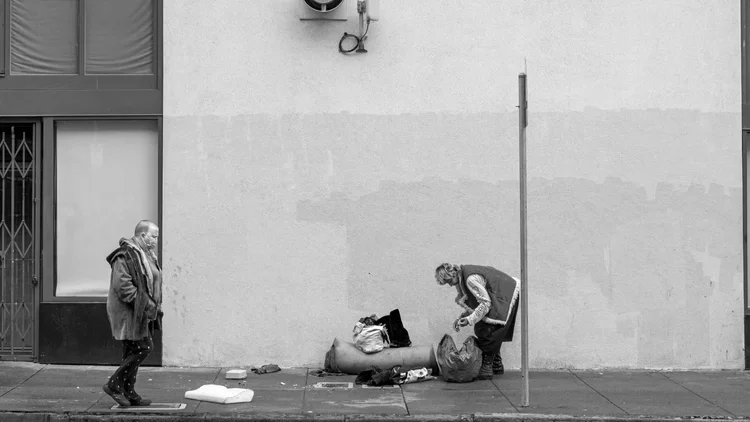
Detroit’s life, death, and resurgence highlights how cities are like any living thing. For decades, predicting urban life cycles has been a favorite op-ed pastime. But post pandemic predictions have reintroduced the urban doom loop into the vernacular. Urban doom loop refers to declining downtown occupancy and vacant office space which drives lower foot traffic and consumption. With fewer eyes on the street, there’s also more crime and together these factors contribute to urban flight/emigration. Declining population leads to less municipal revenues, making it more difficult for cities to provide services and public goods like transit and public schools. 

Through the pandemic, super star cities entered the urban doom loop. So when the Hoover Institute’s recent report found San Francisco housing prices fell nearly 18% over the last year, it wasn’t surprising. This trend away from cities has left urbanites feeling troubled. If vacant downtowns and lower housing prices are symptoms of a sick city, how do we treat the urban doom loop? And how do we prepare cities for death or a hopeful rebound?


The hope for non-terrestrial infrastructure

30% of urban surface area (and urban land value) is locked up in infrastructure. A 60’ residential roadway increases home costs by $250k on that residential block. Constructing and maintaining infrastructure locks up that land value while also being an expensive and risky endeavor. What if we were to unlock land value and reduce the cost of infrastructure by using non-terrestrial infrastructure? Stay with me.

For decades, sci-fi movies have told stories of flying cars and vertical cities that don’t depend upon earthen infrastructure. Today Starlink and Sceye have decoupled from the cost of terrestrial infrastructure by launching high altitude satellites to provide competitive and reliable internet service to thousands of people. Similar to telecom infrastructure, transportation infrastructure is already shifting towards the air. Airspace Link has started mapping the skies, creating routes and “streets” in the air to facilitate drone operations.

Insurance is doing the climate heavy lifting

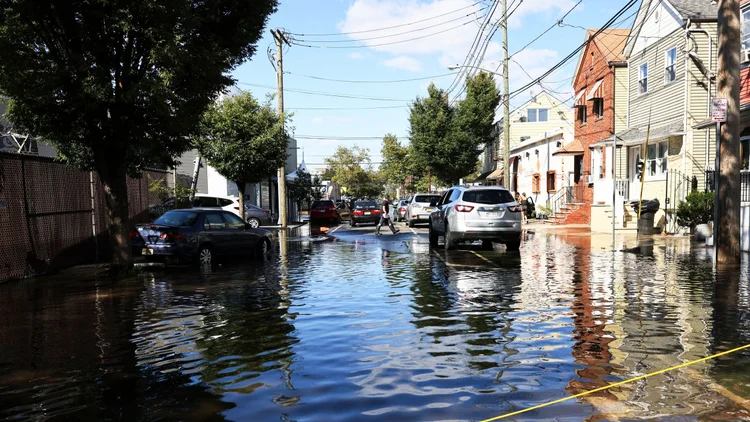
Some still argue that the cost of climate change is debatable. But insurance companies have gotten pretty good about pricing that cost. With increasing extreme climate events, insurance companies can’t afford to price climate risk any more in markets around the United States. Insurance companies in Florida have folded as flood insurance pay-outs hit record highs. Flood insurance is set to double in Kentucky due to extreme flood events.  In May, State Farm announced it will stop selling coverage to California homeowners, citing “rapidly growing catastrophe exposure” (re: wildfires). 

This has a real impact on where people move, if they can sell their homes, and where new development can occur. In light of this, states and the federal government have attempted to backstop these challenges. In Florida, the Citizens Property Insurance Corporation upholds the insurance industry. So when you can’t afford private insurance the state insures you. As more and more people get bumped to state offered insurance, the cost of extreme climate events becomes the taxpayer’s burden. Increasing costs to taxpayers could make communities more resistant to development… but only if high cost insurance policies don’t prevent new development first.  


Cities in the News

  • $4 congestion toll could drop LA traffic volumes by 20% [Planetizen] 

  • The yuck factor is halting residential water reuse [Yale]

  • Fed $$ aren’t coming fast enough to drive down interconnection costs for greener energy [NPR] 

  • The greatest summer economic stimulus for cities? Taylor Swift! [Fortune]

  • Montreal’s signature outdoor stairs come from a need to heat less space [Atlas Obscura]

  • Our need for more personal space is spiking urban angst [New Republic]


Share Your Work

I would love to hear from you and learn more about your work. Don’t hesitate to reach out for a conversation. In the meantime, please forward this email, subscribe your friends, and follow @KateGasparro to stay in touch.

 Contact Me 
linkedin twitter

Detroit, MI, United States

Powered by Squarespace

Unsubscribe