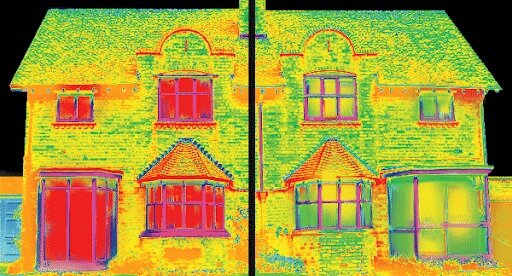
Dear friends,Winter is here. Bundled up in my Detroit apartment, I’m feeling extremely grateful for indoor heating even though my utility bills are higher than usual. With COVID-19 and the colder weather, yours probably are too. While some can afford that COVID-19 “premium”, some are hard pressed to pay not just for rent but also for heating and energy. Thankfully, utility companies have instituted shut-off moratoriums during COVID-19 to make sure all customers continue to be served. If you didn’t know, 51% of Americans are covered under these policies. However come March, residents and small businesses could owe upwards of $40 billion- the price of months of moratoriums. And, in some cases, customers with unpaid bills will be charged $1,500 to $2,000, a one-time payment exceeding typical annual rates. Standard energy bills cost 6% of household income. But 25% of U.S. households, including two-thirds of low-income households, pay more than that. Baltimore, Philly, Detroit, Boston, and Birmingham have the highest rates of energy burden. At least a quarter of their low-income households spend over 18% of household income (3x the standard!) on energy bills. Yet, low-income households aren’t consuming the most energy. High income households consume ~25% more energy but only spend 2.3% of their income on energy bills. Increasingly, U.S. cities and states are passing building energy efficiency policies. These efforts will not only reduce energy burdens. They will slash the 40% of national GHG emissions attributed to residential and commercial building energy use. As I’m reflecting on this, I decided this month’s issue should focus on building energy efficiency. This includes the policies and building practices that can shrink energy bills and reduce carbon emissions, all in an attempt to Build Better Cities. Hope this gets you thinking,
Kate P.S. I left you a holiday gift list below. Enjoy, happy holidays, and may 2021 be a better year for all of us!
|