|
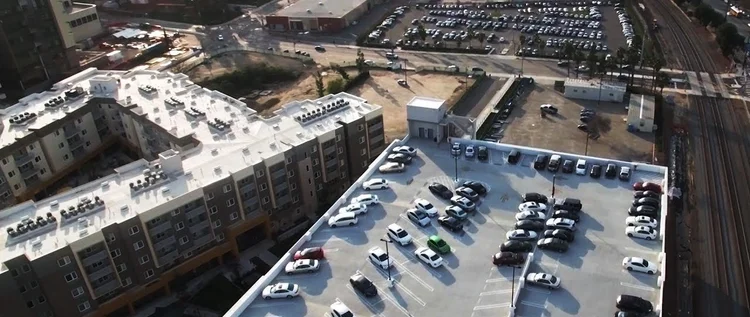
50-60% of downtown real estate is dedicated to cars. This month, I discuss how we can design out parking and create more active urban cores?͏ ͏ ͏ ͏ ͏ ͏ ͏ ͏ ͏ ͏ ͏ ͏ ͏ ͏ ͏ ͏ ͏ ͏ ͏ ͏ ͏ ͏ ͏ ͏ ͏ ͏ ͏ ͏ ͏ ͏ ͏ ͏ ͏ ͏ ͏ ͏ ͏ ͏ ͏ ͏ ͏ ͏ ͏ ͏ ͏ ͏ ͏ ͏ ͏ ͏ ͏ ͏ ͏ ͏ ͏ ͏ ͏ ͏ ͏ ͏ ͏ ͏ ͏ ͏ ͏ ͏ ͏ ͏ ͏ ͏ ͏ ͏ ͏ ͏ ͏ ͏ ͏ ͏ ͏ ͏ ͏ ͏ ͏ ͏ ͏ ͏ ͏ ͏ ͏ ͏ ͏ ͏ ͏ ͏ ͏ ͏ ͏ ͏ ͏ ͏ ͏ ͏ ͏ ͏ ͏ ͏ ͏ ͏ ͏ ͏ ͏ ͏ ͏ ͏ ͏ ͏ ͏ ͏ ͏ ͏ ͏ ͏ ͏ ͏ ͏ ͏ ͏ ͏ ͏ ͏ ͏ ͏ ͏ ͏ ͏ ͏ ͏ ͏ ͏ ͏ ͏ ͏ ͏ ͏ ͏ ͏ ͏ ͏ ͏ ͏ ͏ ͏ ͏ ͏ ͏ ͏ ͏ ͏ ͏ ͏ ͏ ͏ ͏ ͏ ͏ ͏ ͏ ͏ ͏ ͏ ͏ ͏ ͏ ͏ ͏ ͏ ͏ ͏ ͏ ͏ ͏ ͏ ͏ ͏ ͏ ͏ ͏ ͏ ͏ ͏ ͏ ͏ ͏ ͏ ͏ ͏ ͏ ͏ ͏ ͏ ͏ ͏ ͏ ͏ ͏ ͏ ͏ ͏ ͏ ͏ ͏ ͏ ͏ ͏ ͏ ͏ ͏ ͏ ͏ ͏ ͏ ͏ ͏ ͏ ͏ ͏ ͏ ͏ ͏ ͏ ͏ ͏ ͏ ͏ ͏ ͏ ͏ ͏ ͏ ͏ ͏ ͏ ͏ ͏ ͏ ͏ ͏ ͏ ͏ ͏ ͏ ͏ ͏ ͏ ͏
|
Issue highlights: Designing out Parking Cities in the News Life Updates
|
Dear friends,Many urban downtowns dedicate 50-60% of real estate to cars even though the average car sits unused for more than 90% of its lifetime. Despite the fact that driving has hit a record low cities are still opting to build parking over affordable housing or public amenities, increasing the invisible costs of parking. How did we get here? As development exploded in the wake of WWII, many cities required new developments to build a minimum amount of off-street parking. In the US this resulted in the creation of 8 parking spaces for each car. Continued expansion of parking options has resulted in lagging transit ridership. While large-scale, regional investments in transit can and do have a meaningful impact on parking, they also require a lot of political will to pull off successfully. Given that, I’ll be tackling transit another day. Instead, this month’s issue focuses on solutions (some that integrate with transit) to reduce parking at a district scale, drive down carbon emissions, build more active neighborhoods, and help us Build Better Cities. Hope this gets you thinking,
Kate
|
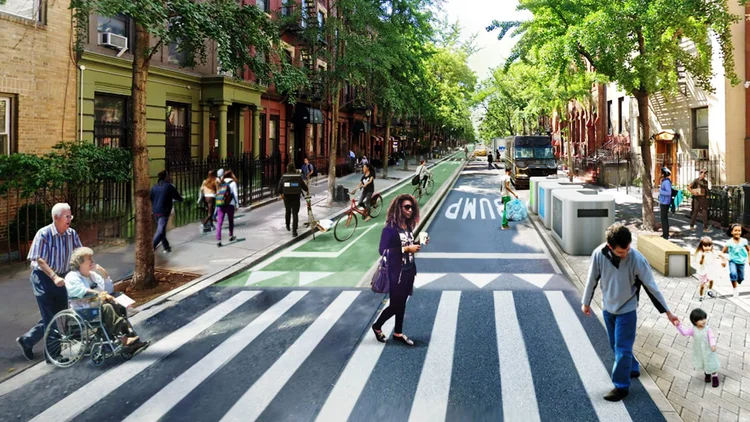
Urban Design can reduce trips, slash parkingColocating residential, office, and retail near transit stops can reduce single-occupancy vehicle trips. This means less cars on the road, less carbon emissions, and less parking. Despite the hope of better urban design, market forces are still requiring parking- just less of it. SLC’s newest 15-minute community development, where every household still gets a parking spot? [Bloomberg] We can replicate Barcelona’s mixed-use superblocks and slash vehicle trips [Nature] Transit-oriented developments prioritize shared mobility and cut trips by 44%, but still have too much parking [TRB]
|
Mobility Policies aim to shift trips away from carsWhen urban design take too long to implement, city governments turn to policy solutions. These policies are meant to incentivize mode shifts (from car use to walking/biking/transit use). Even though these policies are gaining traction in hopes of reducing transportation emissions, they face implementation hurdles as inflation rises and energy prices skyrocket. London’s congestion pricing dropped private car use 10%, increasing active mobility [C40] NYC to launch congestion pricing, charging vehicles entering specific areas at peak hours [SILive] San Diego asks for per mile tax to fund green mobility options, but high gas prices make it a non-starter [Time]
Mobility as a Service can change parking requirementsNew Mobility as a Service technologies are offering plug and play solutions that don’t require policy change or new urban design. These come in the form of ride sharing (re: Uber, Lyft, etc.), micro mobility (e scooters, bikes, etc.), and car share services (ZipCar, etc.). Prior to COVID, ride sharing reduced parking requirements for restaurants, bars, events venues, and airports [Science Daily] Modeling car share in Zurich, researchers found parking minimums can drop by 22% [TRB] Austin’s amended zoning code allows developers to reduce parking by 20 spaces for every car-sharing vehicle [UrbanLand] Shared electric fleets are a defining feature of car free developments [EVE Park]
|
Cities in the NewsRussia’s Ukrainian invasion jeopardizes China’s infrastructure investments [The Diplomat] Sandbagging statues, public squares, Ukrainians struggle to protect cultural heritage in their cities [CityLab] European and Indian cities partner to solve shared urban challenges [Economic Times] Forget about charging, India’s rickshaw drivers are relying on 2-min battery swaps [The Print] The woes of broadband access, when markets and governments fail people [99% Invisible]
|
Recent Updates!New Job Postings: Bedrock’s Land Development TeamThis month, I moved into a new role as the Director of Land Development at Bedrock Detroit. In this capacity, I’ll be delivering sustainable infrastructure for new district developments in Detroit and Cleveland. We are hiring for project managers, an environmental manager, and a senior analyst. Please forward along and reach out if you are interested or know someone who would be a great fit. Very excited for this timely publication and grateful for my co-authors Drs. Vedran Zerjav, Effie Konstantinou, and Carter Casady. This paper takes a hard look at how we need to organize around and deliver infrastructure projects for sustainable outcomes. Honored and excited to be selected as a Notable Leader in Sustainability by Crains! Over the last year, I’ve been leading Bedrock’s sustainability strategy alongside team members and strategic partners. This is helping Bedrock build and operate more sustainable real estate throughout the Midwest.
|
Share Your WorkI would love to hear from you and learn more about your work. Don’t hesitate to reach out for a conversation. In the meantime, please forward this email, subscribe your friends, and follow @KateGasparro to stay in touch.
|
|
|
|